The Wild Days guide
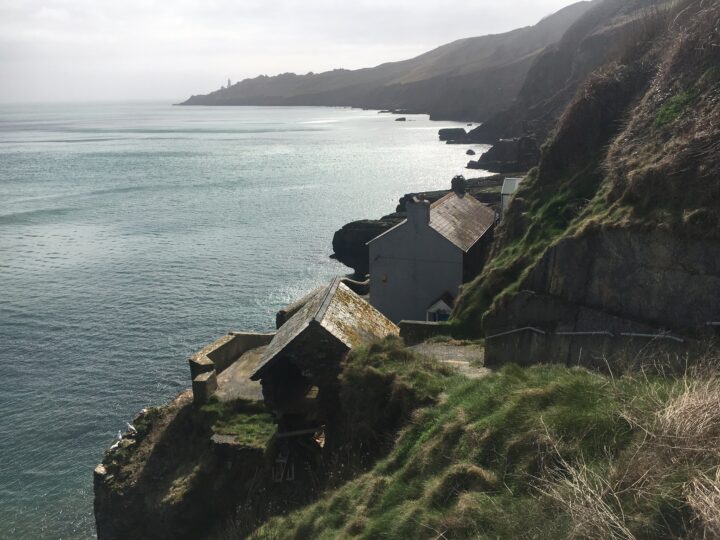
Start Point is a promontory located in the South West of the UK, South Devon to be more precise. It’s not far off one of the most Southerly points in the UK as it extends downwards to -3.6° longitude.
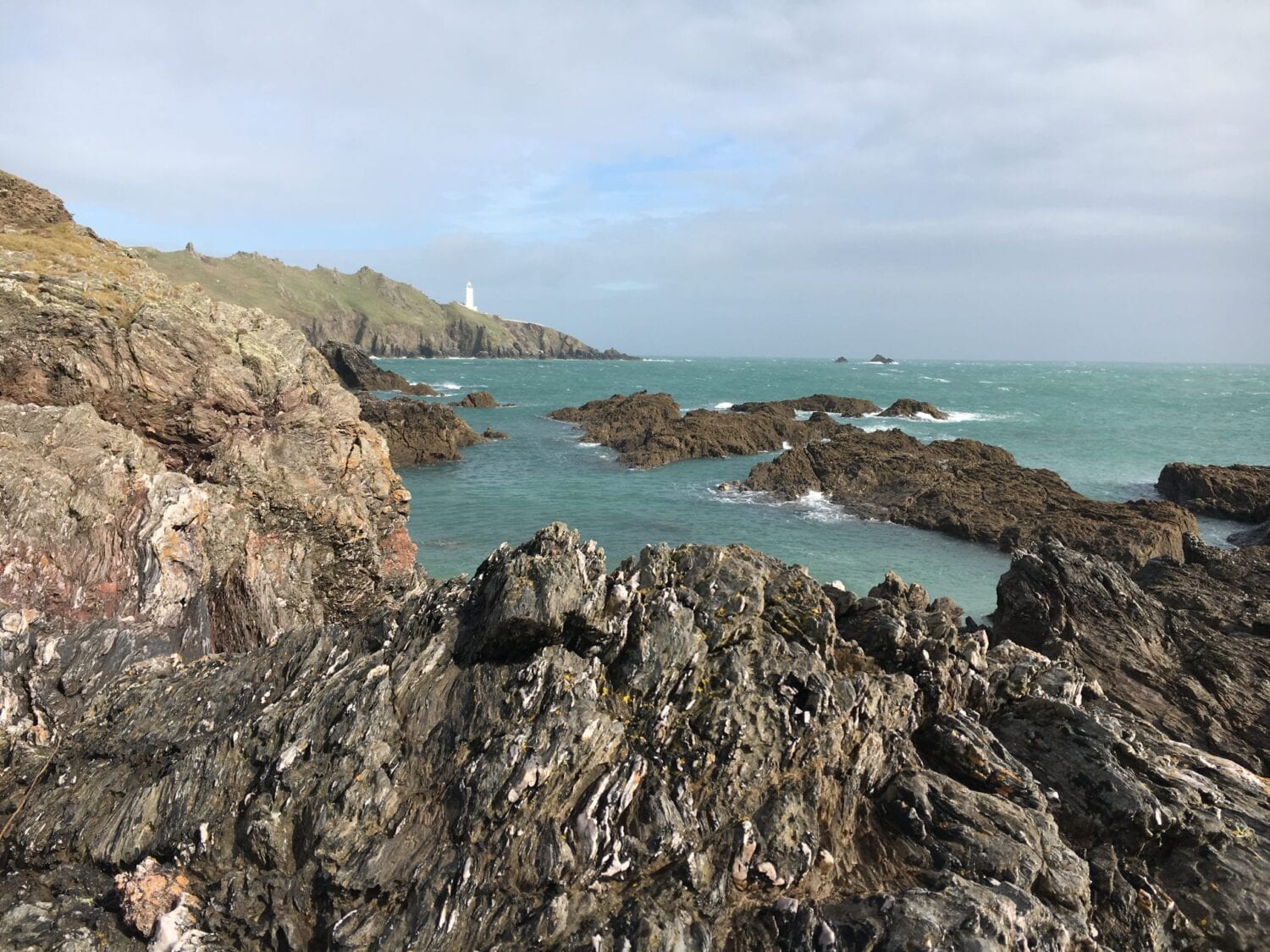
Start Point is home to a lighthouse which was build back in 1836 to warn ships of the point and it’s surrounding rocks. Even with the lighthouse being built, it didn’t stop the large amount of ships being engulfed by the traitorous rocks in stormy weather. The Great Blizzard of 1891 alone claimed seven ships with little survivors. With so many shipwrecks over the years, it’s no surprise that under the water lies many treasures. China clay, jewels, silver and gold have all been retrieved from areas around Start Point.
Start Point plays a big part in the marine life in the area. With reefs offshore funnelling tidal water into the southern part of the bay it makes for good feeding grounds for many fish and other animals.
Dolphins and Porpoise regularly pass the point, often chasing their prey right into the cliff edges. Get the tides right and you’ll likely see them passing with a keen eye.
If you venture West from the point, you can walk along the coast path giving better views to lower rocks where many seals have made their home. They are quite lazy out of the water, so keep an eagle eye out for any movement.
A great spot for twitchers, there are many birds that have made their home at Start Point and many believe it’s on a migratory path.
History
The Lighthouse
In 1542 suggestions were made to erect a lighthouse at Start Point to help with navigating the dangerous rocks. The suggestion was rejected due to conflict at the time which could aid the enemy ships.
The suggestion of a lighthouse was finally realised after shipping increased over the years with many more shipwrecks. The Admiralty applied for the lighthouse in 1827. After two years of labour from the workforce of 40 men, the 28m tall tower was completed at the cost of just under £6000. The light was finally ignited in 1836.
From up to 21 miles out, the oil lamp of the lighthouse could be seen by the passing ships. This distance was extended in 1959 with the introduction of electricity to 25 miles.
Lighthouse keepers lived in the tower until housed were later built at the base. A not so popular location with the lighthouse keepers’ wives as the nearest shop was in Hallsands, a considerable walk East along the coast.
Automated in 1993, Start Point lighthouse is now controlled by the Trinity House Control Centre at Harwich in Essex.
Shipping
Since the 12th Century the waters off Start Point have been used regularly. Nowadays you’ll see the large cargo ships but go back 700 years and you’d be seeing traditional ships sailing to the crusades & clippers sailing to the East Indies for tea. More than 13,000 commercial ships pass Start Point each year.
Shipwrecks
Throughout its history Start Point has been the location of many shipwrecks. From warships to schooners, commercial steamers and subs, many ships have met their fate on the black rocks. Some of the recorded military wrecks are listed below.
HMS Formidable Royal Navy – 1 January 1915 – A Formidable-class battleship sunk off Start Point by German submarine U-24. 50°13′N 3°04′W
RMS Medina United Kingdom – 1 February 1917 – A Royal Mail Ship torpedoed by UB-31 off Start Point.
HMS Penylan Royal Navy – 3 December 1942 – A Hunt-class destroyer sunk by E-boats off Start Point. 50°08′N 03°39′W
UC-49 Imperial German Navy – 8 August 1918 – A German minelaying submarine sunk by HMS Opossum off Start Point. 50°20′N 03°30′W
Things to see
The first not so wild option is to visit the lighthouse. They do guided tours of the lighthouse regularly. You can check their website for contact details and opening hours here.
If you catch the tides right, you may want to see if you can spot some of the amazing wildlife. Find a safe and suitable position that overlooks the bay and keep an eye out for Dolphin, Porpoise and Seals. All frequently visit the area.
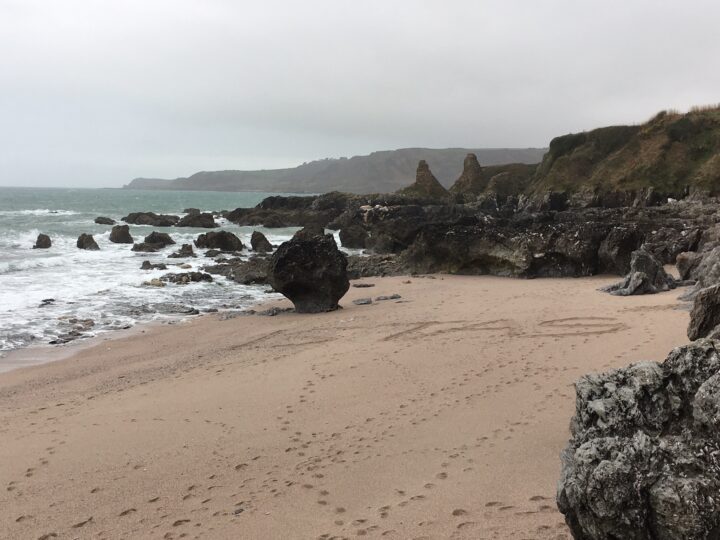
Explore the coast path either going in the northernly direction towards Hallsands to to the west on the other side of the lighthouse. Hallsands gives you some lovely views and also has some hidden treasures, such as the village that’s partly washed away. The westerly direction gives you some amazing beaches to relax on such as Lannacombe Beach.