The Wild Days guide
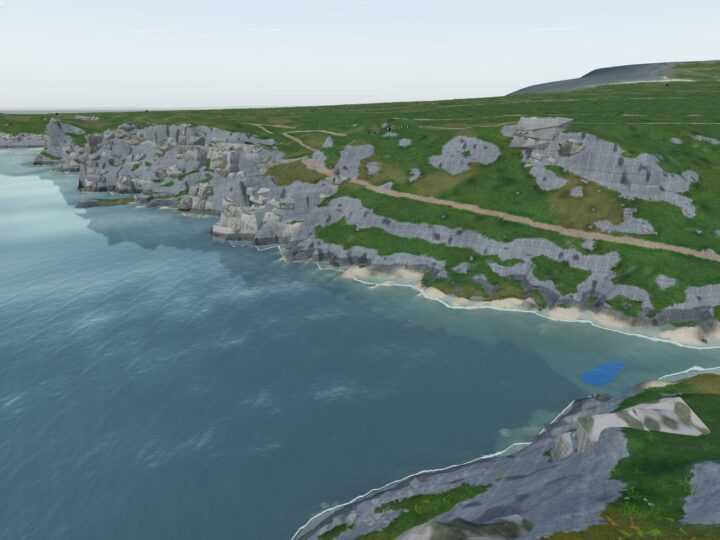
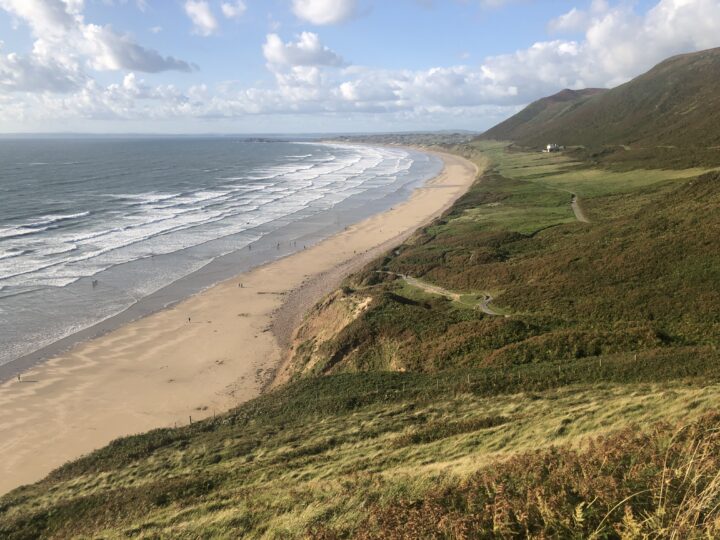
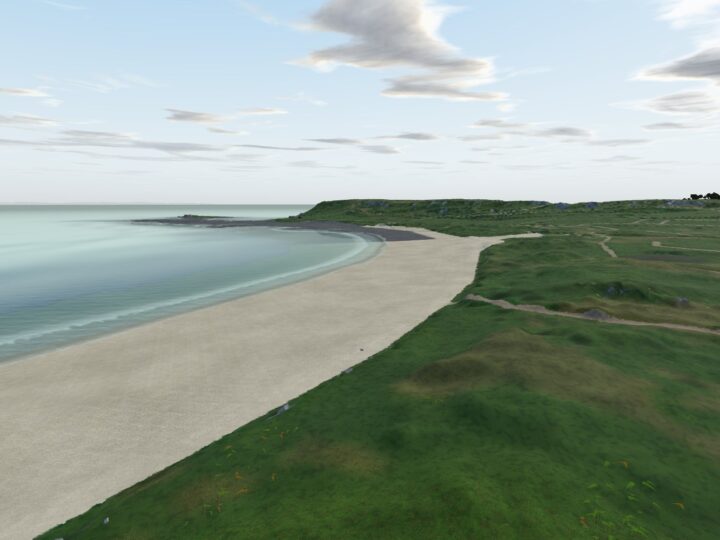
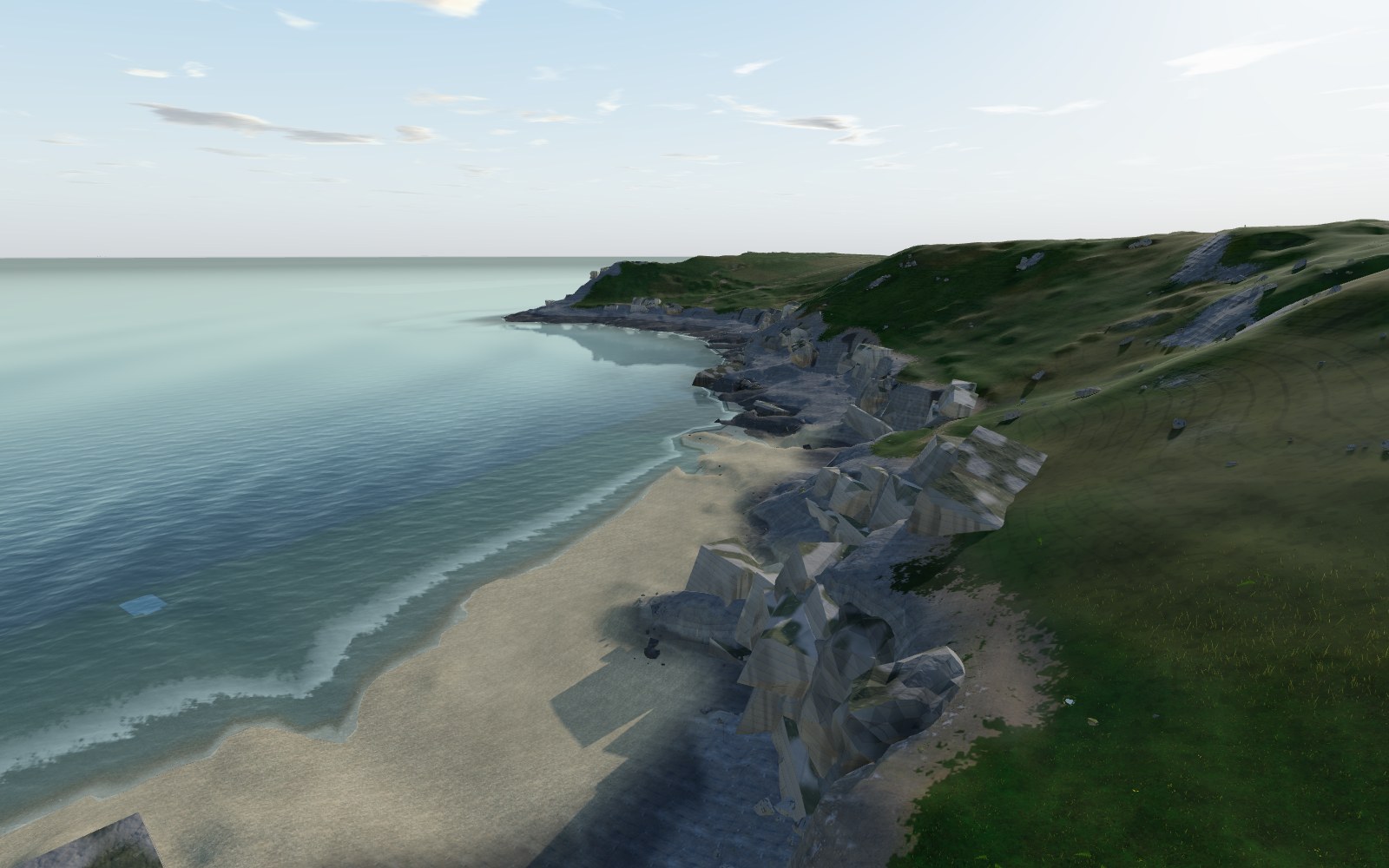
Fall Bay is a strip of golden sand hidden under the limestone crags between Worms Head and Mewslade, and you have to earn it. It disappears at high tide, but at low water it opens into coves, caves and pools, and on the biggest tides you can walk round the rocks into Mewslade.
Why it’s worth the trip
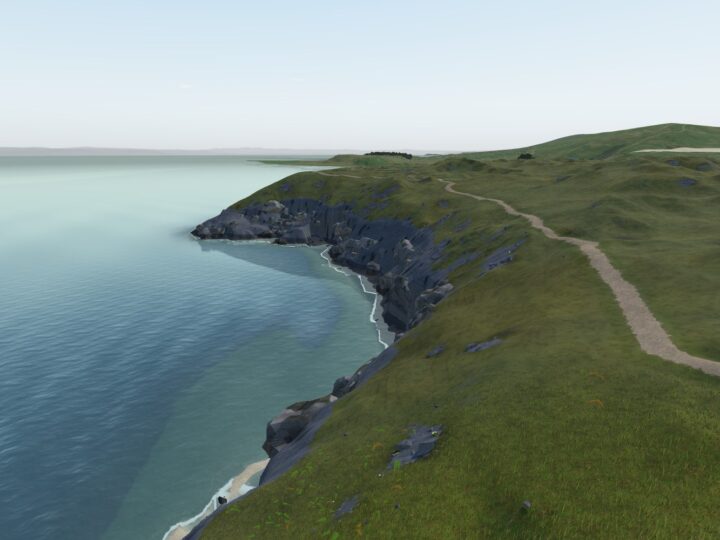
This is one of the hardest Gower beaches to reach, which is exactly why it is worth the effort. It sits just south of Rhossili, below Tears Point and the steep limestone bulk of Lewes Castle. There is no road and nothing on the beach: you come in over fields or along the coast path and finish with a steep, slippery descent.
At low tide you get a sheltered strip of sand with rocks, small caves and pools around the edges, a kelp bed just offshore, climbers on the crags above and, in the right swell, a wave the locals love. Make a day of it with the clifftop loop from Rhossili: drop into Fall Bay on a falling tide, cross to Mewslade at low water if the tide is big enough, and come back over the top with the whole of Worms Head in front of you.
Make a wild day of it
Swimming
The water is clear and the bay is sheltered on calm days around low to mid tide, but it is remote. There is no lifeguard, though, plus submerged rocks and a large kelp bed close inshore. Skip it in any real swell, and never swim alone.
Surfing
An exposed beach break with fairly consistent surf in autumn and winter, though often flat in summer. It works best with a south-westerly swell and north-westerly winds, and gets a little shelter from westerlies when Rhossili is blown out. Expect lefts and rights, a crowd of locals, submerged rocks and a good walk in with your board.
Rock pools and caves
At low tide the rocks round the edges of the bay hold coves, small caves and pools, perfect for buckets and nets with children. At the west end, Tears Point has a broad band of flat rock exposed at low water that links round towards Worms Head. Above you, the crags of Lewes Castle, King Wall and Jacky’s Tor are classic Gower climbing venues.
Wildlife
Fall Bay is part of the Gower Coast National Nature Reserve. Choughs, which returned to Gower in the 1990s, feed on the clifftop turf, and kittiwakes, razorbills and guillemots nest on the cliffs towards Worms Head in spring and summer. Seals are often seen around the Worm, spring squill and other limestone flowers colour the clifftops in spring, and the kelp bed offshore teems with fish.
The rocks
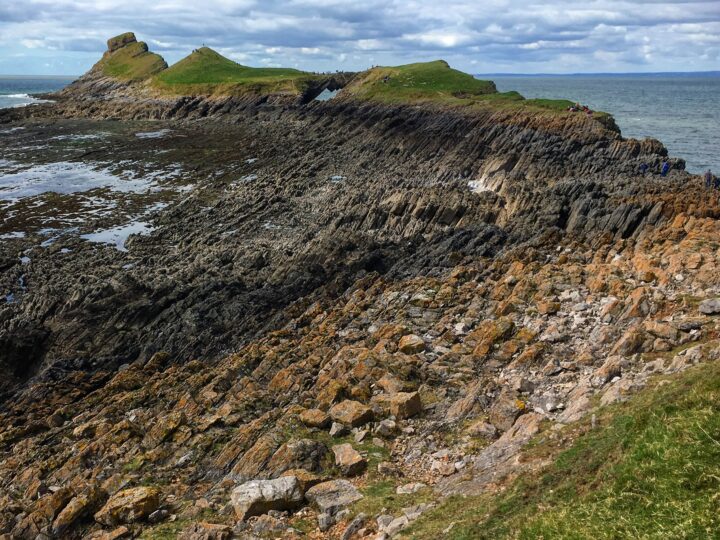
The bay is set into the Carboniferous limestone of the south Gower coast, with the sheer, blocky crags of Lewes Castle rising abruptly at its eastern end. The rock platform at Tears Point is part of the same limestone that runs out to Worms Head, and the cliffs show the steep, folded beds typical of this coast.
History and stories
Lewes Castle, on the headland above the eastern end of the bay, is an Iron Age promontory fort, a scheduled monument with two low ramparts and ditches across the neck of the headland. Old Castle, another promontory fort, sits on the clifftop on the way in from Rhossili, and just to the west is the Victorian coastguard lookout above Kitchen Corner, now a National Coastwatch station.
Tides and safety
There is no beach at all at high tide, so only go down on a falling tide and plan to be off well before the flood. The walk round the rocks to Mewslade is only possible on very low tides, and the way back can be cut off quickly, so do not attempt it unless you know the tide times.
The bay takes the Atlantic swell, there are submerged rocks and there are no lifeguards. The path down is steep and slippery, and the old lower path from the headland is no longer an official footpath, so use the signed routes. The clifftops have unfenced drops where people have died in falls, so stay on the paths. Worms Head, a short walk west, is a serious tidal cut-off: its causeway is open only about 2.5 hours either side of low water, so check the times posted at the coastguard lookout or on the National Trust page.
When to go
Aim for a falling tide approaching low water on a calm day. Late spring to early autumn is best for swimming and rock pooling, autumn and winter for the surf, and spring for clifftop flowers and nesting seabirds.
Fall Bay is rarely crowded because of the effort it takes to get there, and weekdays and early mornings are quieter still. On a packed summer day at Rhossili it makes a far calmer alternative.
Good to know
- Toilets: none. The nearest are at the Rhossili National Trust car park.
- Food and drink: none at the beach. Cafes, a shop and the Worm’s Head Hotel are in Rhossili village.
- Dogs: no seasonal restrictions, but the descent is steep and livestock graze the clifftops, so keep dogs on leads on the paths.
- Lifeguards: none.
- Access: not suitable for wheelchairs or pushchairs, with a steep, narrow, slippery final descent, and no beach at high tide.