The Wild Days guide
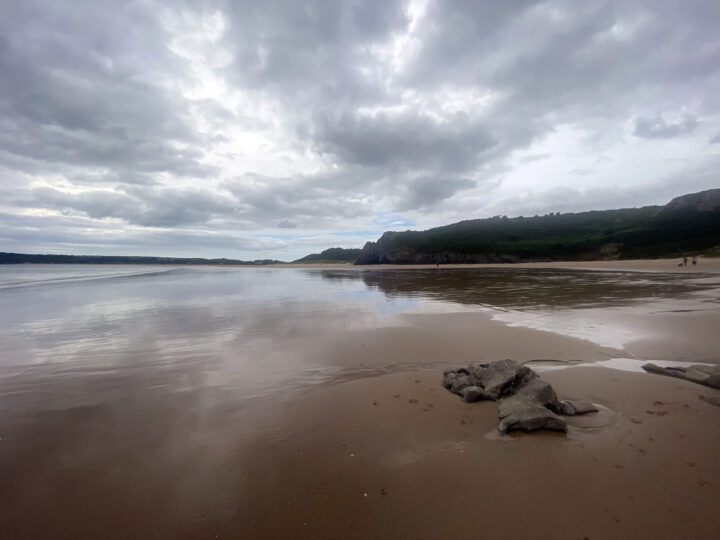
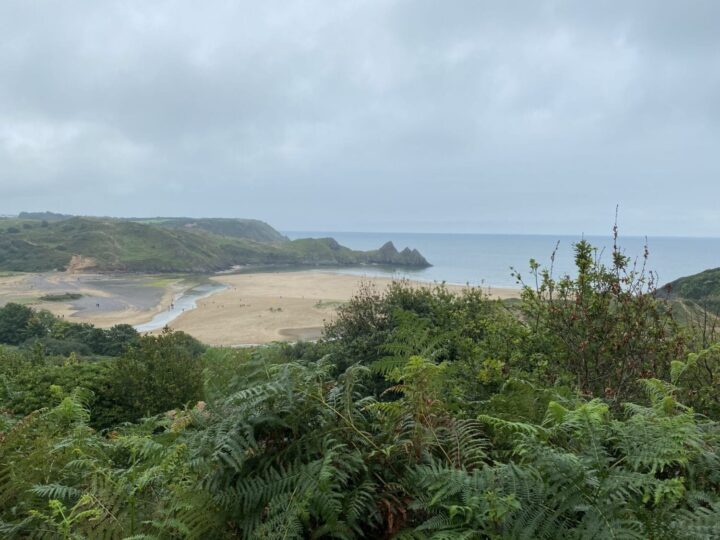
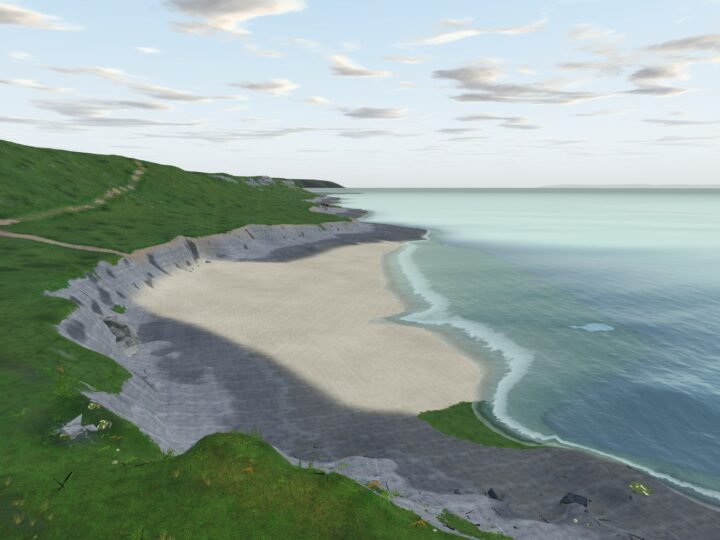
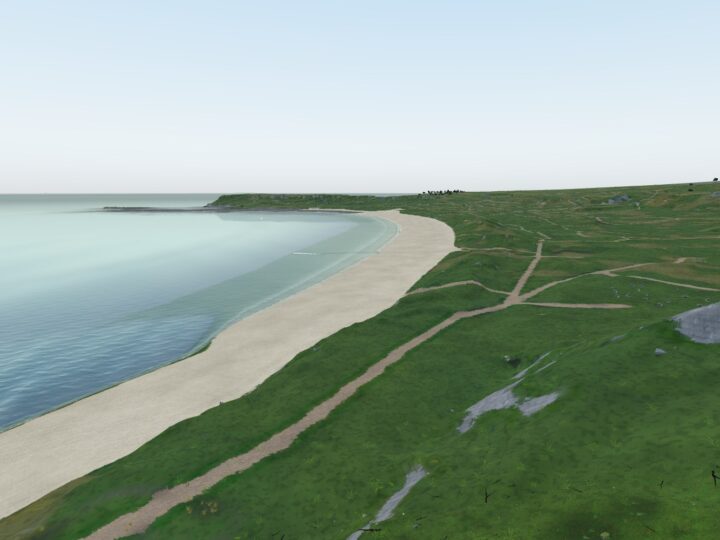
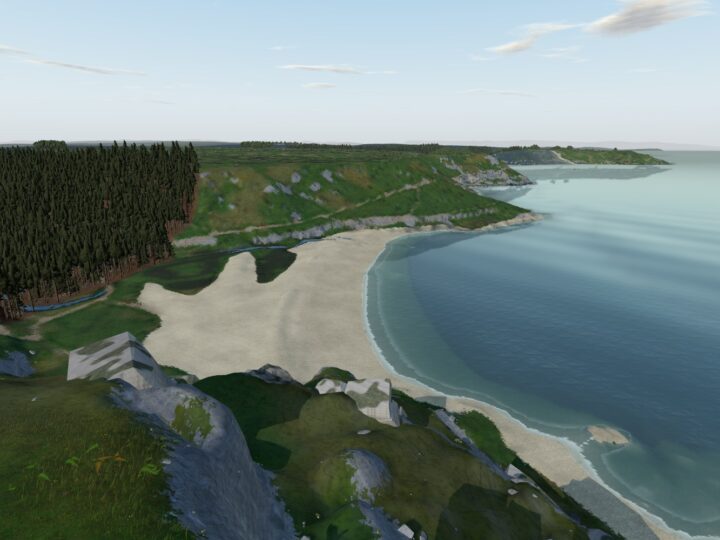
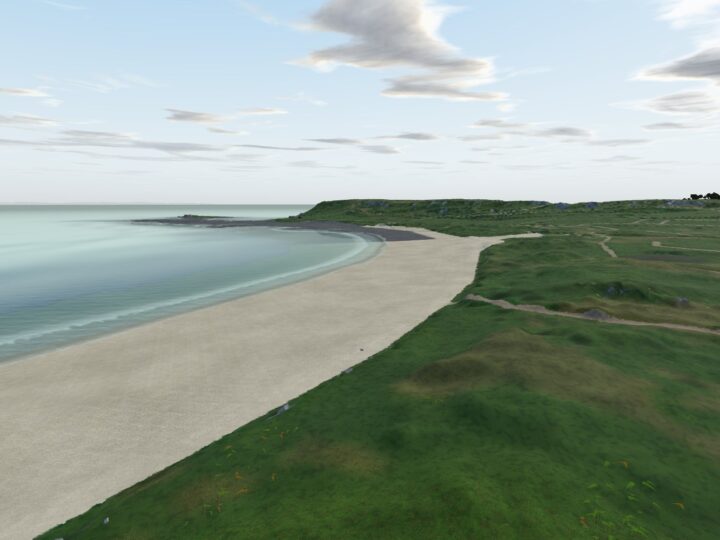
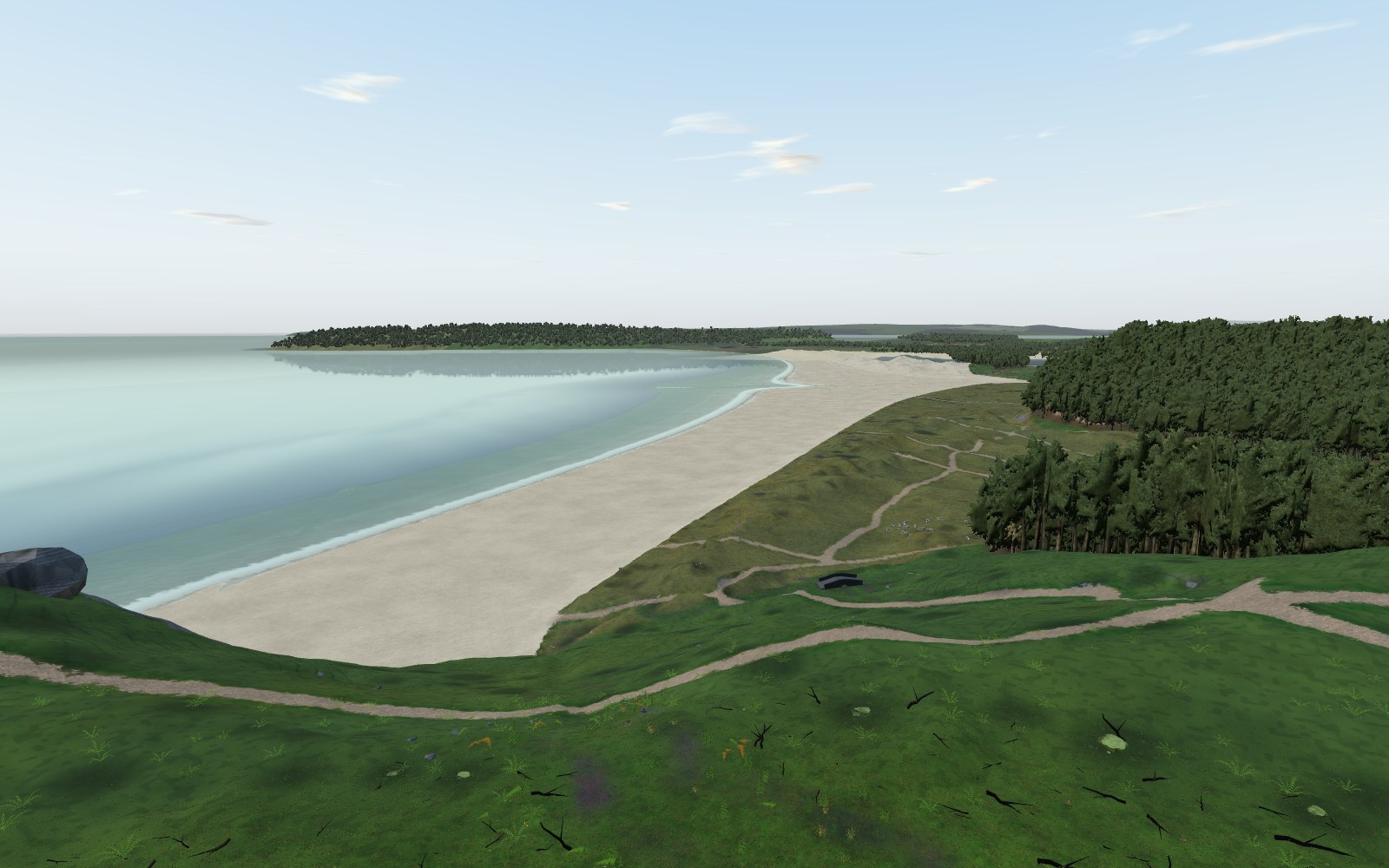
Nicholaston is Oxwich Bay once you have left the car park far behind. A stream winds out across the sand, tidal creeks cut through the dunes, and old woodland climbs the slope behind to a viewpoint over the whole bay, yet on most days there is almost nobody here.
Why it’s worth the trip
There is no car park, no kiosk and no road to the sand, which is exactly the point. This is part of the Oxwich National Nature Reserve dune system, one of the most flower-rich in Wales, with the dunes of Nicholaston Burrows running up to a steep wooded limestone slope and the tors that hide Tor Bay and Three Cliffs.
On a good day we would come in along the sand from Oxwich, kick off our shoes to wade Nicholaston Pill on a falling tide, then carry on east under Little Tor to Tor Bay and, if the tide allows, round Great Tor towards Three Cliffs. Save the woodland trail and its viewing platform for the way back, when the light is lower and the bay is at its best.
Make a wild day of it
Swimming
The water here is the same sheltered, gently shelving bay as Oxwich, with far fewer people in it. Swim from mid to high tide, when the sea is close, and keep clear of the stream channel. There are no lifeguards, so swim with someone. Surfers only get a look in when Oxwich itself is working in a big south-westerly or westerly storm swell; the peaks towards the stream are quieter than in front of the car park, though the wind is often stronger here.
Wildlife
This is the reason to come in early summer. In late May and June orchids flower across the dunes, dune gentian and round-leaved wintergreen grow in the damp hollows, and there is a nationally important colony of small blue butterflies feeding on kidney vetch. In spring Nicholaston Woods is carpeted with flowers, and at dusk it is good for bats. Shore birds feed along the pill at low tide, and the strandline holds the rare beachcomber beetle, so look but leave the driftwood where it lies.
The rocks
The dunes are built from sand and crushed shell, which makes the soil lime-rich, and that is why the orchids do so well. Behind them the wooded slope is Carboniferous limestone, with a woodland path partly cut into the bedrock, rising to the eastern end of the Cefn Bryn ridge; above the trees stand the crags of Crawley Woods Rocks. The bay itself lies in a fold where softer rocks have been worn away between the harder limestone headlands.
History and stories
The National Trust bought Penmaen and Nicholaston Burrows in 1967. Just east, the burrows hide a Neolithic chambered tomb, Pen-y-crug, the footings of a medieval chapel and a settlement thought to have been buried by blown sand before 1320, after which the dunes became a rabbit warren. Above Three Cliffs is the Norman ringwork of Castle Tower, and restored limekilns stand on the cliff top above Tor Bay. Penrice Castle, the Georgian mansion of the estate that owns Oxwich beach, is in the park inland and is private.
Tides and safety
Nicholaston Pill and the tidal inlets behind the dunes fill fast on a rising tide and have soft, sinking mud. Cross only at low water and use the footbridges inland the rest of the time. The way east under Little Tor and Great Tor is only open around low tide, and walkers have found Great Tor impassable for an hour or two either side of high water, so check the tide times before you set out and turn back early rather than late. The climb up Little Tor is steep, slippery sand. Do not dig into the dunes, and remember there are no lifeguards.
When to go
Pick a fine day and a falling tide, ideally arriving a couple of hours before low water so you can cross the pill and reach Tor Bay. Late May and June are best for flowers in the dunes; spring is the time for the woods. This is already the quiet end of Oxwich Bay, but for the emptiest sand keep walking east to the foot of Little Tor, or come in through the woods from Nicholaston rather than along the beach from the car park.
Good to know
- Toilets: none on the beach or the National Trust land; the nearest are at Oxwich car park.
- Food and drink: none on the beach. Nicholaston Farm, on the A4118 above, has a seasonal farm shop and coffee shop, and Oxwich has beach shops, a restaurant and a hotel.
- Dogs: allowed all year. Keep them on a lead in the reserve from March to July for ground-nesting birds, and near grazing animals.
- Lifeguards: none.
- Access: no step-free route; soft sand, steep woodland paths and steps.