The Wild Days guide
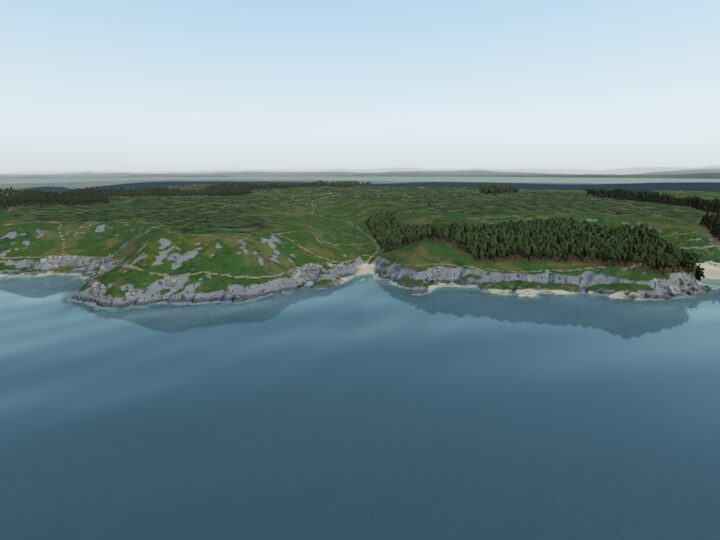
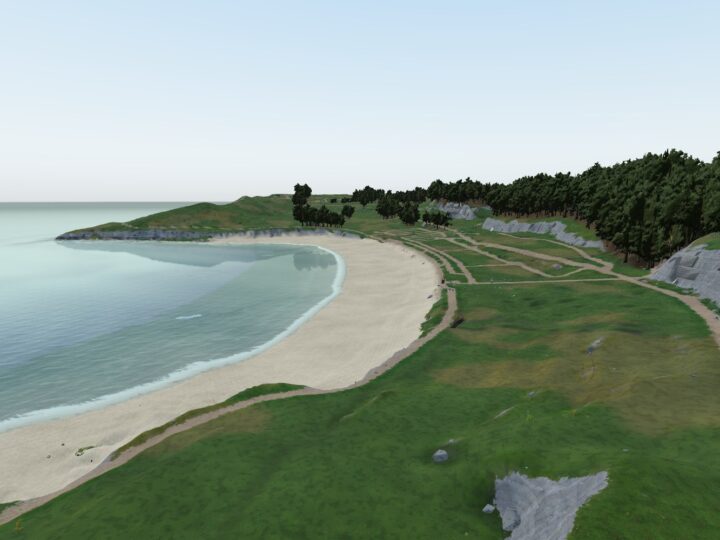
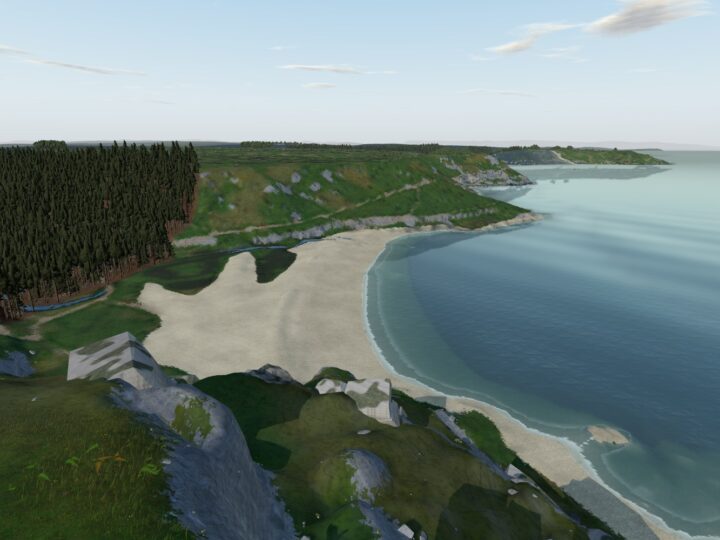
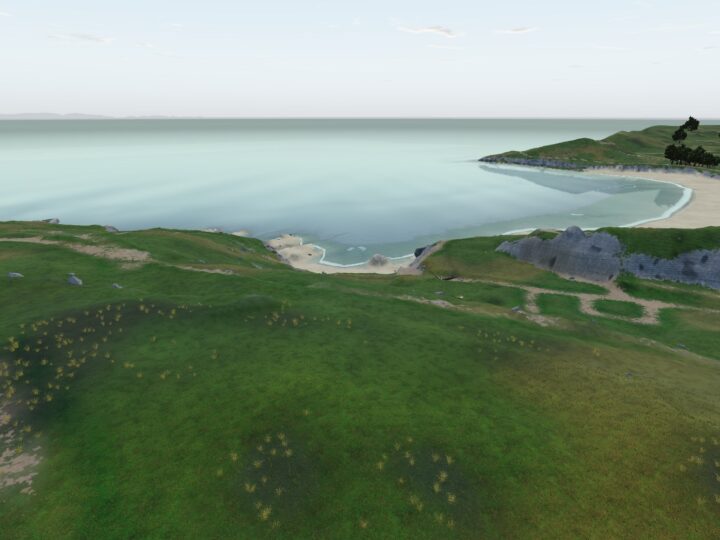
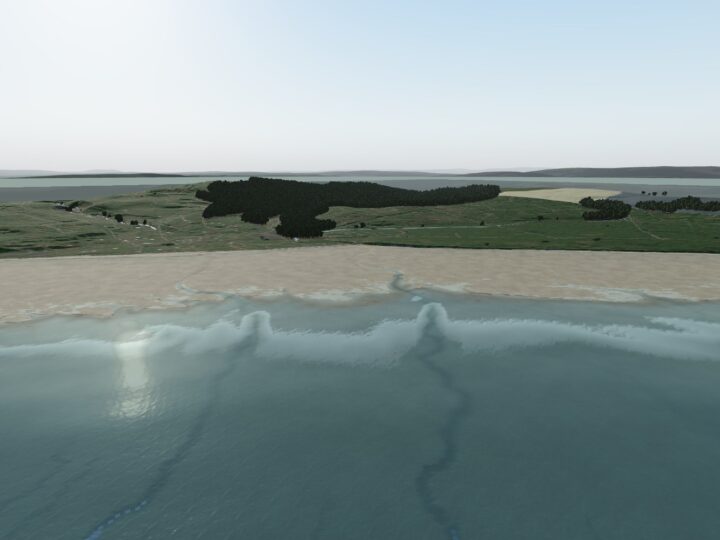
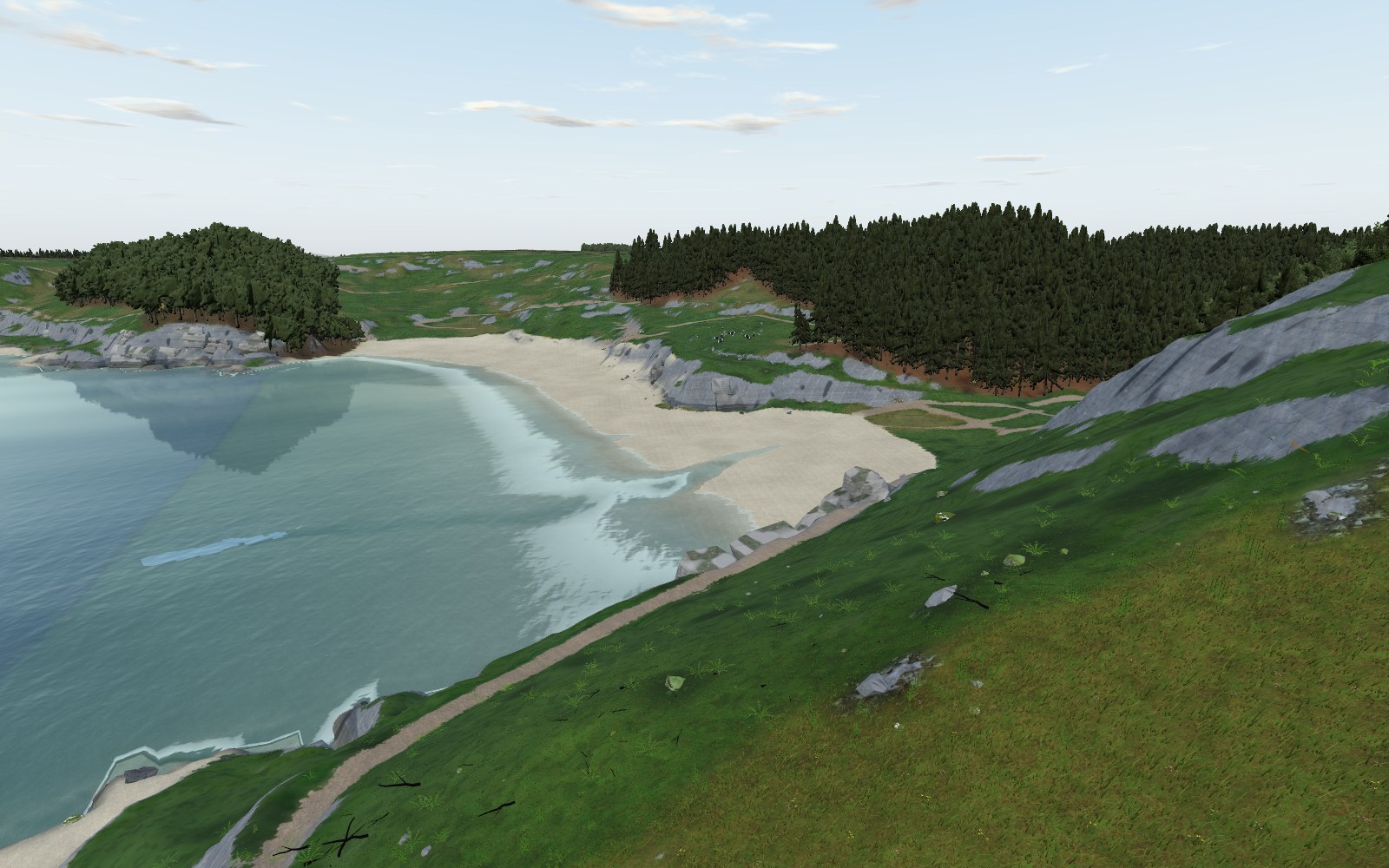
Caswell is the easy start to a wild day. Woodland runs down almost to the sand, rock pools fill the ledges at both ends, and a friendly beach break makes it one of Gower’s best places to learn to surf. Then the coast path heads west to Brandy Cove and Pwlldu, and the crowds fall away behind you.
Why it’s worth the trip
This sheltered, south-facing bay of golden sand is about as easy as Gower gets, with a cafe, toilets and summer lifeguards a short stroll from the car park. But its cliffs are a classic geology site, Bishop’s Wood behind it is a rare limestone woodland, and the wilder coast starts at its western end. Surf in the morning, rock pool at low tide, and walk off lunch on the cliffs.
Make a wild day of it
Surfing
A learner-friendly beach break with lefts and rights, busy with surf schools. It works best around mid to high tide, often on the push, in a south-westerly swell of roughly 0.6 to 1.8 m (2 to 6 ft), and tends to close out when it gets bigger. North-easterly winds are offshore, and the western end towards Redcliffe is usually the pick. The reefs at either end can work around low tide, though Langland is usually the better bet then.
Summer is often flat; autumn and winter are more consistent. Surfability UK runs adaptive surfing beside the car park.
Swimming
In summer, when the lifeguards are on, this is a good, sheltered swimming beach. Stay between the flags, ideally around mid tide, and keep away from the rocks at each end. Outside the season there is no cover.
Rock pools and caves
Caswell is one of Gower’s best-known rock-pooling beaches. Try the rocks under Redley Cliff to the west, with steps up from the beach, and the ledges running out towards Whiteshell Point to the east. Both are richest around low spring tides.
Wildlife
Bishop’s Wood Local Nature Reserve, behind the beach, is 19 hectares of rare limestone woodland and grassland, partly ancient and protected as an SSSI. Along the cliffs look for choughs, peregrines and ravens, and out to sea for grey seals, with the odd porpoise or basking shark. Slow worms and adders are about in summer.
The rocks
Caswell is a Geological Conservation Review site and one of the best sections of early Carboniferous limestone in South Wales. Two north-south faults cut the bay: the rocks on the low central promontory dip north while Redley Cliff dips south, and between them lies the Langland Anticline, a great upfold in the rock.
Look for the bright white Caswell Bay (or Gully) Oolite, whose tiny lime beads show up under a hand lens, the Caswell Bay Mudstone, at 19 m its thickest anywhere in South Wales, and the darker, sugary Laminosa Dolomite. In a gully just north of the white oolite runs the Caswell Thrust, where the northern block has ridden up over the southern one.
History and stories
Up the Caswell valley lie the ruined medieval chapel of St Peter and its walled holy well, now a scheduled monument, and Redley Cliff carries an Iron Age enclosure.
The pioneering photographer John Dillwyn Llewelyn built Caswell Cottage on the site of today’s car park in 1846, and Prince Albert asked for copies of his Caswell photographs. The hymn writer Frances Ridley Havergal died here in 1879, the poet Vernon Watkins lived at Redcliffe in the late 1920s, and Mamie Stuart, whose remains were found near Brandy Cove in 1961, lived above the bay before she vanished in 1919.
Tides and safety
At high tide the sand disappears almost completely, and parts of the coast path near the bay are cut off; follow the signed high-tide route. Rip currents form near the rocks and reefs at each end, especially on a falling tide, so swim between the red and yellow flags when the lifeguards are on.
On the rocks at low tide, watch the incoming water so you are not caught on the outer ledges. The cliffs are steep and loose in places, and outside lifeguard hours you are on your own.
When to go
Low spring tides are best for rock pooling, mid tide for swimming and learning to surf in summer, and autumn and winter for better surf and dog walks. On summer days come before 10am or after 5pm to dodge the crowds and the car park queues.
For a quieter corner, walk west over Redley Cliff to Brandy Cove, or head up into Bishop’s Wood.
Good to know
- Toilets: free council toilets in the car park, with accessible toilet and baby changing (9am to 7pm April to September, 9am to 5pm October to March), plus outdoor showers. The Changing Places pod closed after water damage in January 2026; check whether it has reopened.
- Food and drink: Surfside Cafe by the beach, open all year with dogs welcome inside, and a beach shop.
- Dogs: banned from the beach from 1 May to 30 September (guide dogs exempt) and allowed the rest of the year. Keep them on a lead on the promenade.
- Lifeguards: RNLI. In 2026 they patrolled daily over the Easter holidays (28 March to 12 April), then daily from 2 May to 13 September, 10am to 6pm. Dates can change at short notice.
- Access: one of Gower’s most accessible beaches. Swansea Council lends two floating beach wheelchairs free of charge, bookable in advance.