The Wild Days guide
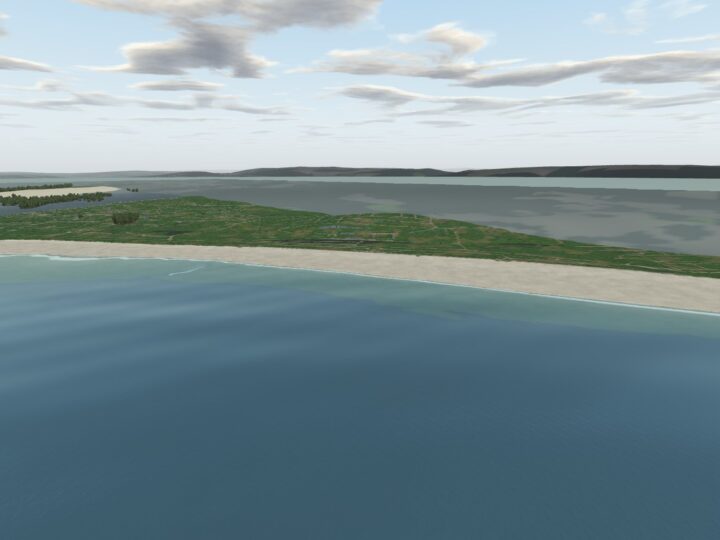
Blackpill is the wild middle of Swansea Bay, where the Clyne River fans out across the sands and thousands of waders and gulls gather on a protected shore. The city is on one side, Mumbles lighthouse on the other, and the woods of Clyne Valley start just across the road.
Why it’s worth the trip
This is Swansea’s best urban wildlife beach. The sands and the mouth of the Clyne are a Site of Special Scientific Interest and an Important Bird Area, internationally important for ringed plover and sanderling. The gulls are legendary among birders: Britain’s first ever ring-billed gull turned up here in 1973.
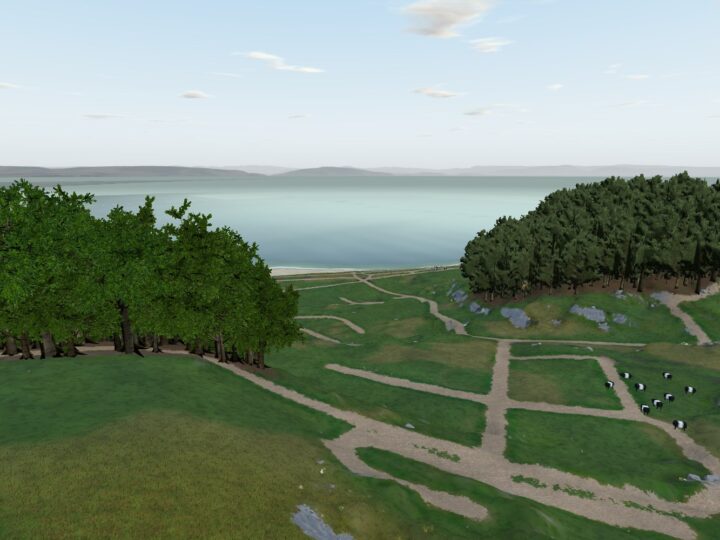
It is also a fine base for a bigger day, with a free paddling lido in summer, a cafe in an old railway building, the wooded Clyne Valley Country Park up the old line and the rhododendron slopes of Clyne Gardens across the road.
Make a wild day of it
Wildlife
The trick is the tide. Arrive an hour or so before high water and the rising sea pushes the feeding birds up the beach towards the promenade, giving close views of the high-tide roost. Once the tide turns they spread out again across miles of sand.
In winter look for ringed plover, sanderling, oystercatchers, dunlin and flocks of knot. Whimbrel pass through in spring, Mediterranean gulls return from July, and the gull flocks are always worth scanning for something rare; they come in to bathe in the fresh water of the Clyne. From October to March the council office by the lido opens as a wildlife centre.
Please keep well back from roosting and feeding birds, especially in winter: every time they are flushed they burn energy they need to survive. Up the valley look for nuthatch, blackcap and nightjars on summer evenings.
The rocks
Under the beach lie Devonian and Carboniferous sandstones and mudstones, buried beneath sand, gravel and mud laid down since the last Ice Age; the dune sands come ultimately from glacial deposits. As pollution has fallen, more sand has built up on the lower shore where there was once mostly mudflat.
History and stories
The Swansea and Mumbles Railway, the world’s first fare-paying passenger railway from 1807, ran along this shore until 1960. The Junction Cafe occupies one of its few surviving buildings, a substation and station built for the electrification of 1929 (it carries a 1927 date) and now listed by Cadw. A second line, from Swansea to Pontarddulais, climbed up Clyne Valley and closed in the 1960s; its trackbed is now the cycle path.
Clyne Castle and its gardens were bought by the Vivian copper family in 1860, and the gardens took their present shape under Admiral Algernon Walker-Heneage-Vivian, owner from 1921 to 1952. The old boating lake by the beach is now the lido.
Tides and safety
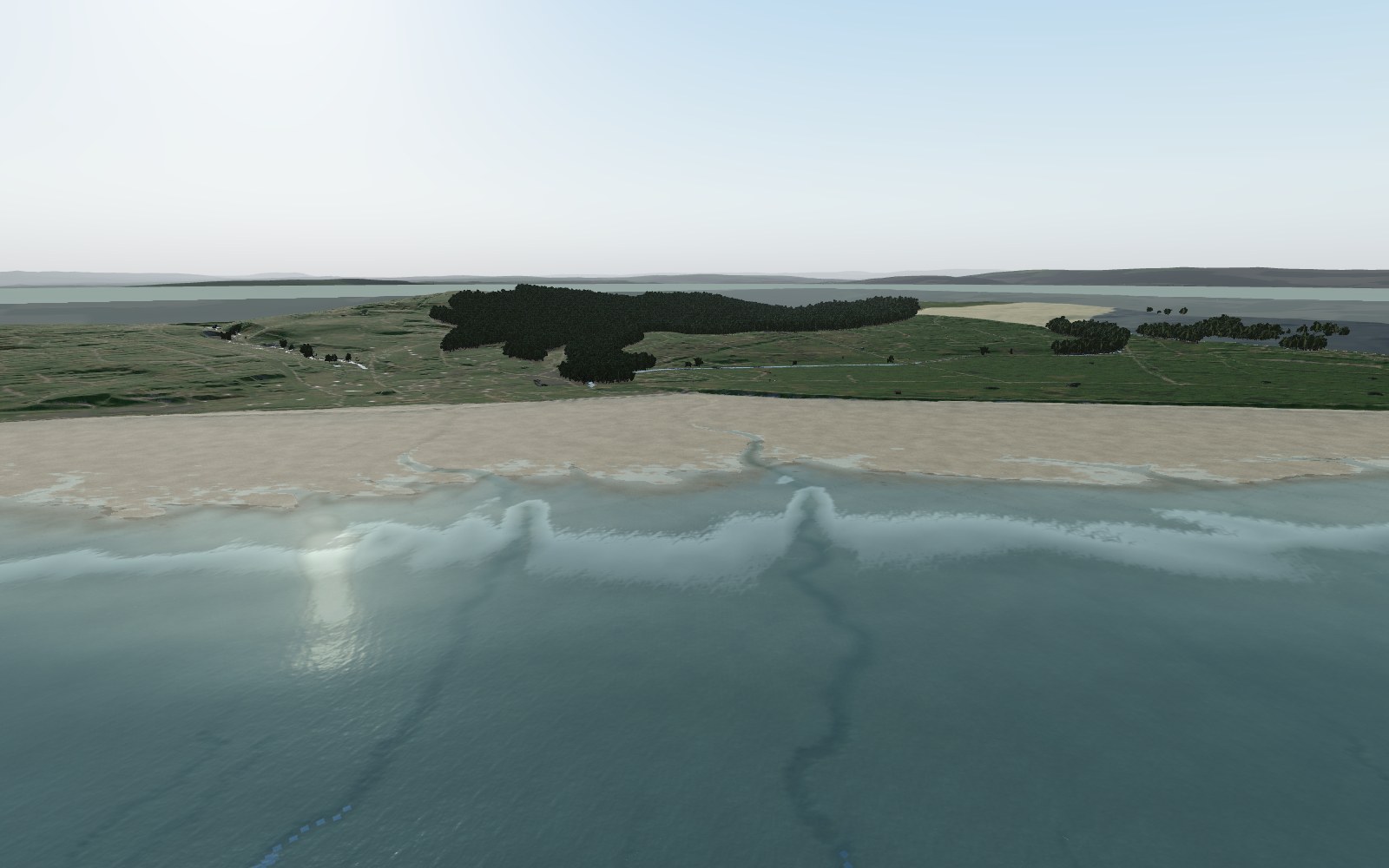
Swansea Bay has one of the largest tidal ranges in the world, and here the sea goes out a very long way over flat sand and mud. The incoming tide moves fast across the flats and fills the Clyne channel first, so it is easy to be outflanked if you walk far out on a rising tide.
Towards low water the ground gets soft and muddy. Stay on firm sand and keep away from the stream channel. If someone gets stuck, keep them still, spread their weight and call 999 for the Coastguard rather than going in after them.
There are no lifeguards; RNLI cover on Swansea Bay ended in 2021. You can swim near high tide in calm weather, but this is not really a swimming beach: the water drains far out and the Clyne cuts across the shore. Swansea Bay’s bathing water, sampled at the city end, was rated Good in 2025, but Bracelet Bay or Langland make a better swim.
When to go
October to March, an hour or so before a big high tide, for the wader roost and the wildlife centre. April and May for whimbrel and the Clyne Gardens rhododendrons. In summer the lido usually opens daily from about 9am to 5pm between early May and late September, but the 2026 season was badly disrupted by theft and repairs, so check before you promise anyone a paddle.
The promenade gets busy with cyclists and runners on sunny weekends, but the sands at low tide are almost always empty. Winter weekday mornings are quietest, and the Clyne Valley woodland paths away from the main cycle track are peaceful even in summer.
Good to know
- Toilets: at Blackpill Lido, including an accessible toilet (no Changing Places). In summer they open between 7 and 9am and close between 7 and 9pm; in winter they close between 4 and 5.30pm.
- Food and drink: the Junction Cafe on the promenade, plus a snack bar and ice cream kiosk by the lido in season. Restaurants and the Woodman pub are on Mumbles Road.
- Dogs: no dogs on the beach from 1 May to 30 September, as Blackpill is inside the Sketty Lane to West Cross Inn exclusion zone (guide dogs exempt). Welcome October to April; on a lead on the promenade all year.
- Lifeguards: none.
- Rock pools: none; this is open sand and mudflat. Head south to Mumbles Pier Beach, Bracelet Bay or Limeslade.